
Programs
ARI is based on local control and design because communities know best how to protect public safety and reduce recidivism.
Grants
ARI uses "performance incentive funding" to support local investment in more effective and less expensive alternatives to incarceration.
Resources
ARI provides training and technical assistance, collects and analyzes data, and fosters a statewide learning community.
ABOUT ADULT REDEPLOY ILLINOIS
 Adult Redeploy Illinois (ARI) was established by the Crime Reduction Act (Public Act 96-0761) to provide financial incentives to local jurisdictions for programs that allow diversion of individuals from state prisons by providing community-based services. Administered by the Illinois Criminal Justice Information Authority, ARI provides grants to counties, groups of counties, and judicial circuits to increase programming in their areas, in exchange for reducing the number of people they send to the Illinois Department of Corrections.
The Crime Reduction Act is based on the premise that crime can be reduced and the costs of the criminal justice system can be controlled by understanding and addressing the reasons why people commit crimes. It also acknowledges that local jurisdictions know best what resources are necessary to reduce crime in their communities. Rigorous evaluation processes with standardized performance measurements are required to confirm the effectiveness of services in reducing crime.
ARI is an example of a national best practice called "performance incentive funding" and is based on the successful juvenile Redeploy Illinois program. Results expected from ARI include reduced prison admissions, lowered cost to taxpayers, and an end to the expensive and ineffective cycle of crime and incarceration.
ARI NEWS
-
Posted: August 12, 2026
ARI Oversight Board meeting: August 17, 2026
The ARI Oversight Board meets Monday, August 17, 2026, for its regular quarterly meeting.
-
Posted: July 23, 2026
Performance Measurement Committee meeting: July 31, 2026
The ARI Oversight Board's Performance Measurement Committee meets Friday, July 31, 2026.
-
Posted: July 10, 2026
Outreach, Technical Assistance and Communication Committee meeting: July 16, 2026
The ARI Oversight Board's Outreach, Technical Assistance and Communication Committee meets Thursday, July 16, 2026.
-
Posted: July 7, 2026
Funding Opportunity: ARI SFY27 Implementation Grants, Due July 27, 2026
The Illinois Criminal Justice Information Authority is requesting proposals for grants for implementation of Adult Redeploy Illinois (ARI) programs. Grants will be made with SFY27 funds. An estimated $500,000 in funding is available through this solicitation for use over a period of 9 months.
ICJIA PUBLICATIONS
Adult Redeploy Illinois is housed at the Illinois Criminal Justice Information Authority (ICJIA), the state's lead agency on justice funding and research. ICJIA launched the Research Hub which provides a host of resources to support data-driven decision-making.
-

A Summary of Findings From an Evaluation of a Post-Overdose Outreach and Linkage to Care Program in Illinois
By Gabriella DeMartinis, Jessica Reichert, Ryan Maranville, Emilee Green
August 21, 2026
Post-overdose programs provide harm reduction services and linkages to substance use disorder treatment for individuals who have experienced a non-fatal drug overdose. We conducted a process evaluation of a post-overdose program implemented by a nonprofit in southern Illinois that served 45 participants over the 2-year study period. We used a mixed-methods approach, including a field visit with observations; group discussions with staff; interviews with program staff (n= 3), stakeholders (n = 4), and participants (n = 5); and an analysis of program data. This evaluation assessed program implementation, participant experiences, and service delivery. Some staff reported program challenges, including staffing issues and limited collaboration with stakeholders. However, participants reported strong connections with program staff, who were able to refer them to multiple services.
-

Police Officers' Stigmatizing Attitudes toward People Who Use Drugs: Implications for Support of Deflection
By Jessica Reichert, Kaitlin Martins, Bruce Taylor, Brandon del Pozo, Jing Wang
August 14, 2026
Police deflection programs represent a promising public health strategy for addressing substance use disorders (SUDs) and diverting people who use drugs (PWUD) from the criminal legal system. These programs offer support to individuals frequently encountered by law enforcement, connecting them with treatment and resources. This exploratory study investigated the relationship between police officers' stigma towards PWUD and their support for the principles of deflection programs. We surveyed 248 officers from Illinois police departments, measuring stigma using established constructs of blame, distrust, fear, and shame. We examined the association between these stigmatizing attitudes and officer support for key deflection principles: access to treatment, utilization of medications for SUDs, and the potential for resource-saving solutions for law enforcement. Our findings around the relationship between stigma and support for deflection programs were mixed. While officers holding more stigmatizing views based on fear and shame were less likely to endorse addressing drug-related crime through treatment and support, officers exhibiting blame and certain aspects of distrust were more likely to support deflection. These nuanced results underscore the critical need for further research into the multifaceted relationship between stigmatizing attitudes of police officers and their willingness to embrace deflection strategies. Understanding these dynamics can help effectively implement and optimize deflection programs, which have been shown to enhance public safety and improve public health outcomes.
-

Criminal History Record Checks in Federally Assisted Housing Applications: 2025 Report
By Ryan Maranville, Jessica Reichert
July 16, 2026
Section 8.10a of the Housing Authorities Act requires all Illinois public housing programs to collect and report to the Illinois Criminal Justice Information Authority (ICJIA) data on an annual basis (310 ILCS 10/8.10a). This report covers the 2025 calendar year and presents information provided to ICJIA by public housing authorities.
-

Firearm Prohibitors and Records Improvement Task Force 2026 Report
By Firearm Prohibitors and Records Improvement Task Force
June 30, 2026
The Illinois Criminal Justice Information Act, 20 ILCS 3930/7.9, created the Firearm Prohibitors and Records Improvement Task Force. The Task Force is charged with identifying, reviewing, and addressing gaps in firearm prohibitor reporting. An annual report is to be submitted to the Illinois General Assembly until 2027.
-

Assessing the Quality and Completeness of InfoNet System Victim Service Data
By Amanda L. Vasquez, MA, Lucia F. Gonzalez, MA, Jennifer Hiselman, MA, Caleb Schaffner, PhD
June 5, 2026
The InfoNet system is an online application used by publicly funded Illinois domestic violence and sexual assault service providers. Containing more than 25 years of victim service data, InfoNet is used by providers to track client services and demographics, assess program performance, and support research on victimization trends. To date, the quality and completeness of InfoNet data have not been systematically examined. To address this gap, we assessed the quality and completeness of InfoNet data and shared preliminary findings with providers to strengthen our examination. We used internal consistency of data across related system fields as a primary indicator of data quality. Our assessment found that most InfoNet data fields are consistent and complete, confirming the quality of the data in this invaluable statewide resource. However, we also identified five recurring challenges related to data collection and reporting for InfoNet: (1) client care taking precedence over data entry; (2) misalignment between system design and provider operations; (3) variations in provider adherence to standardization requirements; (4) difficulties recording sensitive information; and (5) field design limitations. We offer targeted recommendations for improving InfoNet data quality and completeness, including potential system upgrades and expanded training on data collection standards. While findings are specific to InfoNet, our recommendations could also help improve other administrative data systems used to document victim services, particularly those that must balance standardized reporting requirements with flexibility for handling diverse provider practices.
-

Illinois Domestic Violence Fatality Review Committee: 2026 Biennial Report
By Vincent Sarna
May 22, 2026
The Domestic Violence Fatality Review initiative consists of the Statewide Domestic Violence Fatality Review Committee (DVFRC) and regional review teams. The purpose of the initiative is to make policy and practice recommendations for reducing domestic violence-related fatalities in Illinois that are informed by reviews of domestic violence fatality and near-fatality cases. In even-numbered years, the DVFRC submits a biennial report to the Governor’s Office and General Assembly synthesizing recommendations from case reviews conducted by regional review teams over a two-year period. During the 2023-2024 period discussed in this biennial report, the DVFRC engaged its first cohort of five teams in team formation and case selection activities and supported a team in conducting its first case review. The report details case reviews conducted by teams in 2025, describes the formation of a new team, and affirms that all first cohort teams are currently on pace to complete the required number of case reviews for the 2025-2026 reporting period. The DVFRC anticipates compiling and synthesizing recommendations from these reviews for its 2028 biennial report.
-

Community-Based Corrections Task Force Report
By Vincent Sarna
May 20, 2026
The Community-Based Corrections Task Force Act (20 ILCS 4134) was passed in 2024 and signed into law as Public Act 103-0982. The Act created the Community-Based Corrections Task Force, which was charged with developing strategies to introduce community-based corrections and rehabilitation into the Illinois correctional system. The ultimate goal of the task force was to create a program that would support the advancement of community-based corrections and remove barriers to pretrial services and to services for those on probation. In pursuit of this goal, the task force invited experts to provide information about the current landscape of the community-based corrections system, best practices in the community-based corrections system, strengths and weaknesses of Illinois’ approach to community-based corrections, and existing programming to address identified gaps. The task force also invited people with lived experience of involvement in the community-based corrections process to provide their perspectives. Based on this input, the task force provided recommendations focused on the need for new programming, increased awareness and training, and additional funding.
-

2025 Illinois Family Violence Coordinating Council Strategic Plan Summary
By Lucia F. Gonzalez, MA, Amanda L. Vasquez, MA
April 24, 2026
The Illinois Family Violence Coordinating Council (IFVCC) initiative comprises a Statewide Steering Committee and its local councils. The IFVCC program seeks to improve the justice system’s response to family violence by engaging in public education, professional training, and protocol development. We conducted a mixed methods study with Statewide Steering Committee and local council members to inform the development of a new IFVCC Statewide Steering Committee strategic plan. We administered an online survey, conducted focus groups, facilitated discussions, and reviewed IFVCC program materials. Findings pointed to four goals focused on collaboration, public awareness, training, and data analysis and sustainability. Study participants highlighted the need for improved communication among local council members and stakeholders through increased dissemination of local council materials and outreach to communities. They also expressed the need for expanded training offerings and streamlined protocols. Lastly, members recommended increased data access and updated post-training evaluations to better inform their local council’s longer-term impacts on the community. As next steps, the Statewide Steering Committee co-chairs will collaborate with ICJIA staff to create an implementation plan and monitor progress through ongoing research and evaluation activities.
-

Evaluation of the Action-Planning Process to Develop the Deflection Avenues Reconnection Team (DART) Police-Led Deflection Program in Central Illinois
By Alex Menninger, Jessica Reichert
April 21, 2026
The large number of Americans with substance use disorders and the rising number of drug overdose deaths have resulted in a need for innovative prevention and intervention strategies. The Deflection Avenues Reconnection Team (DART) program, operating in six counties in central Illinois, was developed to address these challenges. This deflection program allows law enforcement to refer individuals to community deflection specialists for behavioral health services in lieu of arrest. This report presents an implementation evaluation of the action-planning process used to design the DART program. We conducted field observations during action-planning sessions, administered surveys following each session, and distributed a collaboration survey at the end of the process. The DART action-planning process involved 34 law enforcement representatives and service providers who met over 5 days to plan the program. We examined facilitation, participant engagement, and perceptions of collaboration. Observations from the DART planning process suggest that facilitation style and community member engagement may influence stakeholder participation during action planning. In addition, participants described facilitators and subject matter experts who reflect the local community's demographics as well-positioned to build rapport with local law enforcement partners and service providers. Respondents also identified funding for recovery services and other resources as important to program and service provider buy-in.
-

Evaluation of the Development of Empower, a Multi-Jurisdictional Police-Led Deflection Program in West Central Illinois
By Nancy Sullivan, Alex Menninger, Joshua Kirven, Cameron Kimble, Susan Alrifai, Katherine Wilson McCoy, Pedro Huet, Jessica Reichert
April 21, 2026
Rural, multi-jurisdictional communities face challenges developing coordinated responses that connect people with substance use and mental health needs to services instead of the justice system. We evaluated the action planning (AP) process for Empower, a multi-jurisdictional, police-led deflection program serving six counties in West Central Illinois, developed as part of a statewide Illinois deflection initiative. Deflection initiatives create formal pathways linking people with substance use and mental health needs to treatment and supportive services. The Empower program was developed through six days of guided action planning involving local law enforcement, service providers, and community stakeholders. This process culminated in a written action plan outlining program goals, strategies, and implementation steps. To evaluate the AP process, we conducted structured field observations across all AP sessions and administered daily surveys to participants assessing collaboration, engagement, and perceptions of program feasibility and sustainability. Findings indicate that participants were highly engaged and reported strong collaboration during AP, while also identifying challenges related to uneven participation across counties and sectors, limited service availability, and resource constraints characteristic of predominantly rural regions. The findings reflect participants' perceptions during the action-planning process and do not assess program outcomes. Based on the findings, we offer three recommendations to support implementation: strengthen participation and representation during planning and early implementation, identify strategies to mitigate service gaps in rural communities, and clarify structures for collaboration and accountability across jurisdictions.
-

Youth Leadership in Planning a Cook County Police Deflection Program
By Alex Menninger, Katherine Wilson McCoy, Boya Lin, Jessica Reichert
April 21, 2026
Police deflection programs offer an alternative to arrest by connecting youth to community-based services during police encounters. The Chicagoland Youth Deflection Initiative (CYDI), which allows officers to refer youth encountered during motor vehicle stops to community-based supports, established a Youth Advisory Board (YAB) to incorporate youth perspectives into the planning process for development of the program. This evaluation documents youth participation in the planning process using survey responses and observations of YAB meetings. Youth reported feeling comfortable participating and identified key considerations for the program’s design, including trust, equitable implementation, and the role of law enforcement. Perceptions of the program’s potential benefits varied across meetings, and youth expressed interest in continued involvement. Findings describe how youth engaged in the planning process for the program and highlight considerations for structuring youth advisory boards, including facilitation, sustained engagement, and compensation or professional development opportunities.
-

Illinois Domestic Violence Fatality Review Committee: 2025 Annual Report
By Vincent Sarna, Amanda L. Vasquez
April 17, 2026
The Domestic Violence Fatality Review Act created the Domestic Violence Fatality Review initiative, consisting of the Statewide Domestic Violence Fatality Review Committee (DVFRC) and regional review teams. Every year, the DVFRC submits an annual report to the Governor’s Office and General Assembly detailing its operations and activities over the past 12 months. The 2025 Annual Report outlines key DVFRC and regional review team operations and activities in 2025. Over the course of the year, the DVFRC continued to meet on a quarterly basis, provide training and technical assistance to teams, and educate the public and stakeholders about the initiative. In addition, the committee actively sought to recruit members for new teams in seven judicial circuits, pursued legislative changes to ease access to case records, supported the formation of a new team, and helped teams conduct 10 case reviews. The 2025 Annual Report also summarizes the DVFRC’s plans, which include continued training and technical assistance as well as efforts to establish additional teams.
-

2025 Task Force on Missing and Murdered Chicago Women Annual Report
By Vincent Sarna, Karen Galbraith, Amanda L. Vasquez
April 10, 2026
The Task Force on Missing and Murdered Chicago Women Act created a task force, comprised of legislators, victim service providers, and criminal justice stakeholders, to examine five priority areas outlined in the Act: (a) systemic causes of violence against Chicago women and girls; (b) methods for tracking and collecting data on this violence; (c) policies and institutions related to the investigation and prosecution of gender-based violence; (d) measures to reduce violence against this population; and (e) measures to help impacted individuals heal. The 2025 Task Force on Missing and Murdered Chicago Women Annual Report examines current initiatives by government agencies, community-based organizations, and an ad hoc committee focused on women and girls affected by violence. Drawing in part on input from community members with lived experiences, the report makes a set of recommendations that emphasize the need for additional research on gender-based violence, public awareness of resources for victims’ families, survivor-centered policies and practices, and funding for government agencies and community-based organizations. By implementing these recommendations, the state, local municipalities, and partners can help expand knowledge of critical gender-based violence issues, address identified challenges, and prevent future harm.
-

Restore, Reinvest, and Renew (R3) Cohort One Scale and Reach Report
By Jaimelee Behrendt-Mihalski, Lauren Weisner, Thomas Johnson
March 20, 2026
This report details findings related to scale and reach of Cohort One service delivery sites using administrative data submitted by Restore, Reinvest, and Renew (R3)-funded programs. Over 137,000 individuals were served and 369 new staff positions were created across Cohort One. Civil legal aid programs managed more than 2,400 cases, including expungements/sealings, evictions, and income/asset protection. Economic development programs managed more than 2,200 cases and provided services in workforce, business, and financial development. Reentry programs managed more than 4,600 cases and assisted individuals with workforce development, healthcare, housing, and legal issues. Violence prevention programs managed over 1,000 cases and assisted participants with workforce development, healthcare, and housing. Finally, youth development programs managed almost 1,400 cases and assisted youth in workforce development and education. Overall, across the five domains, a substantial number of Illinoisians were provided supports and services by R3-funded service delivery programs in Cohort One.
-

Co-Responder Program Overview: Waukegan − Community Outreach Group
By Anna Lucia Rizzo
March 18, 2026
Co-responder programs integrate law enforcement officers and mental health professionals to offer immediate crisis intervention and support for individuals experiencing behavioral health crises. These programs aim to provide de-escalation, connect individuals to community services, and reduce reliance on arrests or hospitalizations. The Waukegan Community Outreach Group (COG) co-responder pilot program served individuals experiencing crisis in Lake County, Illinois, by having licensed social workers partner with the Waukegan Police Department to provide crisis response, victim assistance, and social service referrals. This brief summarizes participant characteristics, service responses, and early implementation patterns using administrative program data collected between November 2023 and May 2025. During this period, the program served 276 participants, most of whom entered the program through police referral, and nearly half of whom experienced a mental health–related crisis. Staff regularly connected participants to partner organizations and provided referrals to support services while operating within space and funding limitations.
-

Co-Responder Program Overview: Peoria − Social Services Unit
By Anna Lucia Rizzo
March 18, 2026
Co-responder programs integrate law enforcement officers and mental health professionals to offer immediate crisis intervention and support for individuals experiencing behavioral health crises. These programs aim to provide de-escalation, connect individuals to community services, and reduce reliance on arrests or hospitalizations. The Social Services Unit (SSU) co-responder pilot program embedded a licensed social worker within the Peoria Police Department to provide crisis response, short-term stabilization, and referrals for individuals experiencing behavioral health-related emergencies. This brief summarizes participant demographics, service patterns, and referral connections using administrative program data collected from January 2025 to July 2025. During this period, the program served 128 participants, regularly connecting individuals to partner organizations, mental health supports, and hospitals while operating with limited staffing capacity.
-
Co-Responder Program Overview: Springfield − Memorial Behavioral Health
By Anna Lucia Rizzo
March 18, 2026
Co-responder programs integrate law enforcement officers and mental health professionals to offer immediate crisis intervention and support for individuals experiencing behavioral health crises. These programs aim to provide de-escalation, connect individuals to community services, and reduce reliance on arrests or hospitalizations. The Memorial Behavioral Health (MBH) co-responder pilot program served individuals experiencing a crisis in Springfield, Illinois. Through the program, mental health providers collaborated with the Springfield Police Department to provide crisis response and victim assistance. This brief summarizes participant characteristics, service responses, and program patterns using administrative data collected between July 2024 and January 2026. During this period, the program served 704 participants, most of whom entered the program through 911 dispatch, and all of whom had experienced a mental health-related crisis. Staff regularly connected participants to social service organizations and provided referrals to support services.
-

Co-Responder Program Overview: East St. Louis – Embrace
By Anna Lucia Rizzo
March 18, 2026
Co-responder programs integrate law enforcement officers and mental health professionals to offer immediate crisis intervention and support for individuals experiencing behavioral health crises. These programs aim to provide de-escalation, connect individuals to community services, and reduce reliance on arrests or hospitalizations. The Embrace co-responder pilot program embedded licensed social workers within the East St. Louis Police Department to provide crisis response, short-term stabilization, and referrals for individuals experiencing behavioral health-related emergencies. This brief summarizes participant demographics, service patterns, and implementation challenges using administrative data collected from May 2023 through April 2025. During this period, the program served 161 participants, most of whom were Black, and over half of all cases involved mental health-related needs. Program staff connected participants to partner organizations and social support resources while operating with limited staffing and referral infrastructure.
-

Research & Analysis Update, Winter 2026 Edition
By Research and Analysis Unit
February 19, 2026
The ICJIA Research & Analysis newsletter is published quarterly and highlights the work of the Research & Analysis Unit. Over 30 dedicated researchers work to improve the administration of justice and inform policy and practice in criminal justice, victim services, and violence prevention.
-

Lewd Sexual Display in a Penal Institution: State Fiscal Year 2025 Report
By Center for Justice Research and Evaluation
December 22, 2025
Public Act 103-283 amended the Criminal Code to establish the offense of "lewd sexual display in a penal institution." A person who is incarcerated commits this offense when they knowingly expose their genitals to individuals for the purpose of harassment or intimidation. Section 11-9.2-2 of the legislation requires the Illinois Criminal Justice Information Authority to compile information on any charges, referrals, and demographic information related to this offense from Illinois penal institutions and State's Attorney offices. This is the second annual report.
-

Process Evaluation of a Rural, Police-Initiated Deflection Program in Southern Illinois: Leadership Team Feedback
By Jessica Reichert, John P. Smith, Cameron Kimble, Sharyn Adams, Alex Menninger, Nancy Sullivan, Joshua Kirven
December 4, 2025
Rural areas often face gaps in behavioral health resources, with limited availability and the need to travel long distances to access services. To address such challenges, innovative strategies, such as police deflection programs, help connect people in rural areas to treatment without an arrest. In order to advance understanding of rural deflection programs, we conducted a mixed-methods process evaluation of a rural state police-led deflection program, the Southern Illinois Community Engagement Response Team (SI CERT), serving seven counties. We examined who the program reached, how it was implemented in practice, and how collaboration among partners supported or constrained its goals. As part of the evaluation, we explored feedback from the program leadership team, which included deflection staff, law enforcement, and social service providers. We interviewed all 11 team members, and seven completed a collaboration survey. We found leadership team members supported the program and agreed that it was helping the community by referring individuals to supportive services. Program data showed that 223 participants were referred to the program; 66% voluntarily agreed to participate, and of those, 59% were referred to services. However, team members cited notable challenges, including limited resources, the composition of the leadership team, law enforcement engagement, and community visibility. Nonetheless, in its three years of development, the SI CERT program appears to hold promise in helping rural community members with substance use disorders. Future research can extend the scope of evaluation by incorporating participant perspectives and measuring program outcomes.
-

Implementation Evaluation of a Program to Assist Victims of Violent Crime: Staff and Stakeholder Feedback
By Alex Menninger, Jessica Reichert, Joshua Kirven, Nancy Sullivan, Rebecca Roberson, Eva Ott Hill
November 18, 2025
Police are called to the scene of violent crimes that involve victims who may need, but may not be offered, supportive services. To address this, a police-led deflection program, the East St. Louis Community Engagement Team (CERT), was established in Illinois. While police deflection programs have traditionally helped individuals with substance use challenges, this program sought to assist victims of violent crime. Since little is known about the application of deflection to this population, we conducted a process evaluation of ESL CERT. We sought feedback from program staff and stakeholders, including law enforcement and social service providers. We conducted interviews and administered surveys measuring collaboration with its leadership team made of 11 members, as well as conducted two field visits. Members noted that a strength of the program was that its staff successfully engaged with participants, which led to successful connections to services. However, noted weaknesses included limited support for the program from local service providers and a lack of agreement on whether the program was the most effective way to help individuals who were victims of crime. Our recommendations included improving program development, building trust among program stakeholders, addressing barriers to program engagement, increasing the program's impact, and addressing program sustainability concerns.
-

Research & Analysis Update, Fall 2025 Edition
By Research and Analysis Unit
November 5, 2025
The ICJIA Research & Analysis newsletter is published quarterly and highlights the work of the Research & Analysis Unit. Over 30 dedicated researchers work to improve the administration of justice and inform policy and practice in criminal justice, victim services, and violence prevention.
-

Illinois K-12 Public School Personnel Readiness for Supporting Student Mental Health
By Jessica Reichert, Ryan Maranville, Jing Wang, Ebonie Epinger
October 2, 2025
With rising rates of mental health disorders among youth, schools have become essential settings for early identification and intervention, despite often facing resource limitations. This study surveyed 160 Illinois K-12 public school personnel to assess their knowledge of mental health, preparedness, and use of mental health skills. Regression analyses examined how individual-level demographic and professional characteristics influenced these outcomes. University-level training, prior completion of professional workshops, and roles in administration or healthcare were positively associated with higher pre-training mental health knowledge. These factors, along with roles in physical or mental/behavioral health, were also linked to greater self-reported preparedness and responsiveness. However, no significant associations were found between personnel characteristics and their reported use or application of mental health skills. These findings underscore the importance of targeted, role-specific training to strengthen school personnel’s capacity to support student mental health and promote more inclusive and responsive school environments.
-

2024 Domestic Violence Fatality Review Committee Annual Report
By Illinois Domestic Violence Fatality Review Committee
October 1, 2025
The Domestic Violence Fatality Review Act created the Domestic Violence Fatality Review (DVFR) initiative. It consists of a two-tiered structure composed of the Statewide Domestic Violence Fatality Review Committee (DVFRC) and regional review teams. Domestic violence fatality reviews aim to prevent future domestic violence related fatalities and near-fatalities by examining system vulnerabilities and identifying and supporting implementation of policy and practice recommendations. Comprised of subject matter experts, such as legislators and legal, medical, and law enforcement system representatives, the DVFRC provides training and technical assistance to regional review teams, serves as a repository for teams’ policy and practice recommendations, and supports the implementation of those recommendations. Illinois’ five regional review teams select cases for review, coordinate and conduct reviews, and submit recommendations to the DVFRC. This annual report describes the DVFR initiative’s organizational structure, summarizes the operations and activities of the DVFRC and regional review teams in 2024, and identifies challenges encountered. It concludes by outlining some next steps, including the recruitment of a second cohort of regional review teams and the development of additional training and technical assistance materials for teams.
-

Colton's Task Force: A 2025 Illinois Domestic Violence Task Force Report
By Vincent Sarna, Amanda L. Vasquez, Mary Ratliff
September 5, 2025
The Domestic Violence Task Force Act established Colton’s Task Force. Colton Tanner Miller was a young boy killed by his father with a firearm during a domestic violence incident in Illinois. Created in Colton’s memory, the task force was charged with conducting a comprehensive review of the process, operation, and enforcement of current Illinois domestic violence laws, identifying gaps, and developing recommendations for addressing them. Members identified probation and firearm relinquishment as domestic violence-related topics to explore in greater depth through subject matter expert presentations and robust discussions. The task force found that despite a wide range of domestic violence resources in Illinois, like specialty courts and the Illinois Family Violence Coordinating Council initiative, that certain gaps existed. The gaps identified included the lack of a multidisciplinary coordinated response to domestic violence, actionable protocols for relinquishing firearms in domestic violence cases, and funding to address them. This report concludes with recommendations for improving Illinois’ response to domestic violence through increased firearm relinquishment enforcement measures.
-
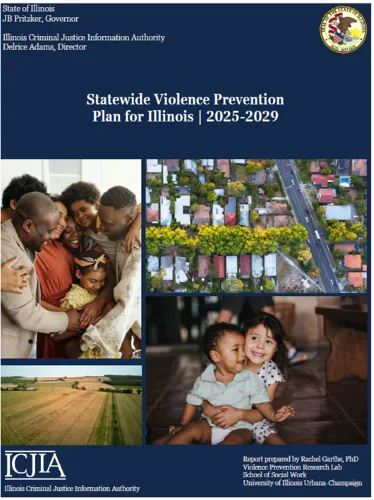
Statewide Violence Prevention Plan for Illinois | 2025-2029
By Rachel Garthe
August 11, 2025
Violence is a global public health crisis and a leading cause of death in Illinois. Many individuals and communities across the state experience its devastating impacts, including harm to health, mental well-being, economic stability, and relationships. Preventing violence is essential. The Illinois Criminal Justice Information Authority (ICJIA) is committed to supporting and funding violence prevention efforts statewide. This report is intended to guide ICJIA’s violence prevention planning from 2025 to 2029. It also serves as a resource for state agencies and community organizations seeking to develop their own prevention strategies. The plan outlines three overarching violence prevention goals, with specific recommendations under each. It is designed to be actionable, flexible, and responsive to the diverse needs of Illinois communities.
-

Violence Data Update
By Rachel Garthe, Madisyn Welsh
August 1, 2025
The goals and recommendations of the Statewide Violence Prevention Plan: 2020-2024 were informed by a needs assessment that analyzed data on violence mostly from 2018. Data updates were needed to prepare for the Statewide Violence Prevention Plan for Illinois: 2025-2029. This Violence Data Update provides updated rates of violence and examines trends in violence rates over time, largely focusing on 2020-2023. Data updates cover child maltreatment, youth violence, and additional forms of violence, including elder abuse, human trafficking, gun violence, and adult violent crimes. Percentages and rates of violence remained consistent across most forms of violence discussed in this report. However, rates of firearm deaths increased in 2020 and 2021 and remained high in 2022. Disparities in rates of violence continued to exist for minoritized groups and in certain geographies. This report aided planning for the Statewide Violence Prevention Plan for Illinois: 2025-2029, helping ensure that recommendations matched data and trends.
-

Research & Analysis Update, Summer 2025 Edition
By Research and Analysis Unit
July 30, 2025
The ICJIA Research & Analysis newsletter is published quarterly and highlights the work of the Research & Analysis Unit. Over 30 dedicated researchers work to improve the administration of justice and inform policy and practice in criminal justice, victim services, and violence prevention.
-
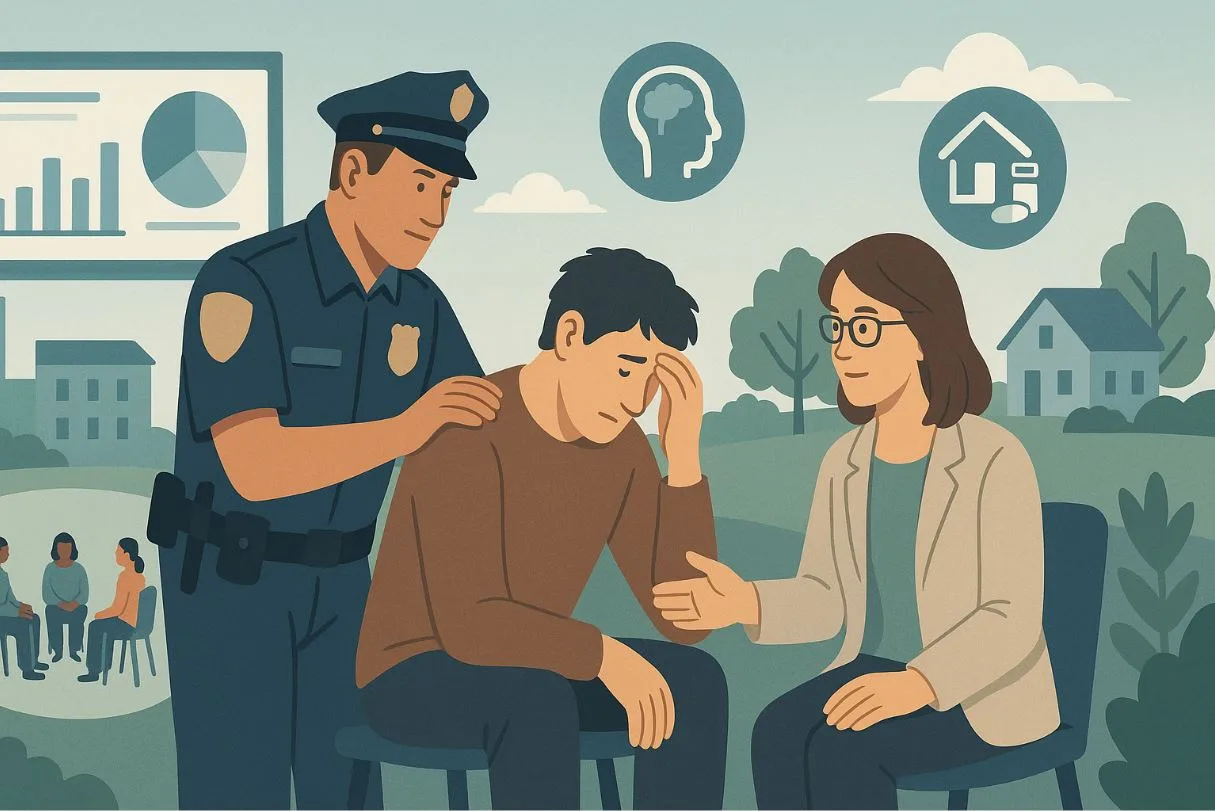
The Evaluation of the Illinois Multi-Site Police-Initiated Deflection Initiative
By Alex Menninger, Jessica Reichert, Nancy Sullivan, Cameron Kimble, John Smith, Sharyn Adams
July 21, 2025
Deflection programs are an emerging approach to redirect people who have experienced police contact away from the criminal legal system and toward supportive services, with the goal of improving outcomes for individuals, communities, the justice system, and public health. The Illinois Multi-Site Deflection Initiative is a groundbreaking project aimed at increasing the number of deflection programs in the state to help individuals who come into contact with police. Since 2021, the initiative has been spearheaded by the Illinois Department of Human Services (IDHS) in partnership with the Illinois State Police and Treatment Alternatives for Safe Communities (TASC). As of July 2024, the initiative has 11 programs operating or in the planning stage across 45 counties. IDHS funded the Illinois Criminal Justice Information Authority (ICJIA) to conduct an independent evaluation to study the programs’ planning, development, and operations, as well as assess and measure outcomes. We share the evaluation design, data, and challenges faced during this multi-year evaluation. The evaluation team’s process evaluation assesses program activities and offers recommendations for programmatic enhancement. We offer a point-in-time description of current evaluation activities and future plans.
-

Firearm Prohibitors and Records Improvement Task Force 2025 Report
By Firearm Prohibitors and Records Improvement Task Force
June 26, 2025
The Illinois Criminal Justice Information Act, 20 ILCS 3930/7.9, created the Firearm Prohibitors and Records Improvement Task Force. The Task Force is charged with identifying, reviewing, and addressing gaps in firearm prohibitor reporting. An annual report is to be submitted to the Illinois General Assembly until 2027.
-

Recidivism outcomes of Illinois Prison Work Release Program Participants
By Jessica Reichert, Jing Wang, Ryan Maranville, Eva Ott Hill, Karl Gruschow
June 23, 2025
Reentry into the workforce for formerly incarcerated individuals is fraught with challenges, including limited education and employer stigma. However, employment post-release has been found to reduce recidivism. Prison work release programs, such as Illinois’ Adult Transition Centers (ATCs), may effectively facilitate employment and reduce recidivism for reentering individuals. This study evaluated the impact of ATC participation on recidivism outcomes. We used propensity score matching to create a comparison group of non-ATC participants with characteristics similar to the participants. The sample consisted of individuals released in 2016 or 2017, with rearrest and reincarceration tracked through 2021. Survival analysis revealed that ATC participation was associated with a 15.5% lower probability of rearrest and a 36.9% lower probability of reincarceration; the ATC participants experienced significantly more extended periods until their first post-release rearrest and reincarceration compared to non-participants. The findings suggest that work release programs can play a crucial role in reducing recidivism and promoting successful reentry for formerly incarcerated individuals.
-

Mental Health Professionals' Experiences of Burnout and Vicarious Traumatization: Illinois HEALS Evaluation Study Findings
By Erinne Smith, Amanda L. Vasquez
May 19, 2025
Mental health professionals are essential for the healing of children, youth, and families who have experienced victimization. In this study, researchers sought to better understand mental health professionals’ experiences with burnout and vicarious traumatization. Researchers examined interview data that they had gathered for a different, earlier study from five clinicians and clinical supervisors serving child and youth victims in rural Southern Illinois. They previously collected these data as part of their process evaluation of the Illinois Helping Everyone Access Linked Systems demonstration site program. In this study, the same researchers analyze these previously collected data for the new purpose of understanding vicarious trauma. Results show that the five providers who were interviewed had experienced or were at risk for experiencing burnout and vicarious traumatization symptoms due to their work. However, they were aware of these risks and were actively implementing strategies to prevent or alleviate symptoms and negative impacts. This article concludes with recommendations for mitigating burnout and vicarious traumatization based on interviews and the research literature.
-

Criminal History Record Checks in Federally Assisted Housing Applications: 2024 Report
By Ryan Maranville, Jessica Reichert
May 5, 2025
Section 8.10a of the Housing Authorities Act requires all Illinois public housing programs to collect and report to the Illinois Criminal Justice Information Authority (ICJIA) data on an annual basis (310 ILCS 10/8.10a). This report covers the 2024 calendar year and presents information provided to ICJIA by public housing authorities.
-

Research & Analysis Update, Spring 2025 Edition
By Research and Analysis Unit
April 25, 2025
The ICJIA Research & Analysis newsletter is published quarterly and highlights the work of the Research & Analysis Unit. Over 30 dedicated researchers work to improve the administration of justice and inform policy and practice in criminal justice, victim services, and violence prevention.
-

Racial and Ethnic Disparity in the Illinois Juvenile Justice System: A Research Brief
By Sharyn Adams, Jessica Reichert
April 23, 2025
This research brief examines racial and ethnic disparities in the Illinois juvenile justice system across five critical decision points: arrest, diversion, detention, secure confinement, and transfer to adult court. Using 2022 data from various state agencies to create a disproportionality index, we found overrepresentation of Black youth at all decision points and Latinx youth at three points. We used disparity ratios to compare the involvement rates of different racial and ethnic groups relative to those of White youth. These findings highlight the need for further research and interventions to address systemic factors, including discretionary decision-making and broader societal inequities.
-

A Content Analysis of Illinois School Bullying Policies
By Rachel Garthe, Shongha Kim, Madisyn Welsh, Alina Loewenstein, Michelle Morrison
April 22, 2025
Bullying includes repeated, unwanted aggression from peers with a perceived or observed power imbalance; bullying can be physical, verbal, relational, or through electronic means, and bullying impacts about 20% of high school students in the United States. It is imperative that schools implement policies that make schools safer and prevent bullying. In Illinois, schools are required to educate students, parents, and school personnel on prohibited bullying behaviors, and to create, maintain, and implement a bullying prevention policy. Although Illinois has specific laws to address bullying, it is important to assess school compliance with those laws. This report examined bullying policies from a stratified random sample of 400 middle and high schools (representing Northern, Southern, and Central regions, as well as Cook County/Chicago). For each school, we coded the bullying policy content according to the Illinois State Board of Education policy requirements, and examined policy compliance (i.e., the entire bullying policy, with all required statute components included) in relation to rates of bullying. Of the 400 schools, 60% had the entire bullying policy, with all statute components, in their school or district handbook. School districts with incomplete or missing policies had significantly higher rates of verbal and cyber forms of bullying, and threats of bullying, compared to school districts with complete policies. Our findings highlighted the need for the Illinois State Board of Education to continue working with schools around bullying policy implementation and inclusion. Lastly, our study calls attention to the importance of schools having full policies within their school or district handbooks.
-

2024-2025 Illinois Traffic and Pedestrian Stop Data Use and Collection Task Force Findings
By Traffic and Pedestrian Stop Data Use and Collection Task Force
March 17, 2025
The Illinois Traffic and Pedestrian Stop Statistical Study Act (625 ILCS 5/11-212) requires the Illinois Criminal Justice Information Authority to convene a Task Force of academics, police executives, and community advocates to discuss the methods Illinois uses to collect, compile, and analyze traffic and pedestrian stop data. The Task Force is to submit a report every three years with findings to the Governor and General Assembly. This is the second report.
-

Process Evaluation of Select Restore, Reinvest, and Renew (R3) Funded Grantees: A Summary
By Alysson Gatens, Lauren Weisner
March 13, 2025
The Illinois Cannabis Regulation and Tax Act created the Restore, Reinvest, and Renew (R3) program, which reinvests a portion of cannabis tax revenue into communities experiencing high rates of gun injury, unemployment, child poverty, and incarceration. These grant funds support programming in five priority areas: civil legal aid, economic development, reentry services, violence prevention services, and youth development. Utilizing a mixed methods approach, researchers conducted site-specific process evaluations on the implementation and operations of select R3 grantees. Data sources varied by site, but included observations, interviews, surveys, focus groups, and administrative data. Overall, researchers found that 1) programs valued the needs and input of the communities they served and tailored services to meet those needs; 2) programs faced implementation delays due to funding administration and COVID-19 challenges; 3) programs varied greatly in terms of data collection and evaluation capacity; 4) assessment and planning programs successfully brought together relevant stakeholders and service delivery programs were typically successful in meeting goals for clients served. This article summarizes a larger report that further details the process evaluations.
-
Process Evaluation of Select Restore, Reinvest, and Renew (R3) Funded Grantees
By Justin Escamilla, Alysson Gatens, Kyle Hucke, Lauren Weisner, James H. Lewis, Timothy O. Imeokparia, Travis Bland, Robert Blankenberger, Ty Dooley, Ken Kriz, Daryl Kroner, Breanne Pleggenkuhle, Audrey Hickert, Lauryn Lockett, Mackenzie Meyer, Caitlynn Phillips, Bailey Saldana, Kamryn Wade, Nanami West
March 12, 2025
The Illinois Cannabis Regulation and Tax Act created the Restore, Reinvest, and Renew (R3) program, which reinvests a portion of cannabis tax revenue into communities experiencing high rates of gun injury, unemployment, child poverty, and incarceration. These grant funds support programming in five priority areas: civil legal aid, economic development, reentry services, violence prevention services, and youth development. This report details site-specific process evaluations on the implementation and operations of select R3 grantees throughout Illinois. Researchers utilized a mixed methods approach and varied data sources by evaluation site. These sources included observations, interviews, surveys, focus groups, and administrative data. Overall, researchers found that 1) programs valued the needs and input of the communities they served and tailored services to meet those needs; 2) programs faced implementation delays due to funding administration and COVID-19 challenges; 3) programs varied greatly in terms of data collection and evaluation capacity; 4) assessment and planning programs successfully brought together relevant stakeholders and service delivery programs were typically successful in meeting goals for clients served.
-

Illinois Death in Custody 2024 Annual Report
By Research & Analysis Unit
February 28, 2025
The Illinois Criminal Justice Information Authority (ICJIA) is required by both Illinois state legislation (730 ILCS 210/3-5) and federal legislation (34 U.S.C. § 60105) to collect, report, and publish specific data on deaths that occur among individuals in the custody of Illinois local and state law enforcement agencies or as a result of an officer’s use of force. This report summarizes the relevant trends in Illinois in-custody deaths for the 2024 calendar year.
-

Research & Analysis Update, Winter 2025 Edition
By Research and Analysis Unit
February 5, 2025
The ICJIA Research & Analysis newsletter is published quarterly and highlights the work of the Research & Analysis Unit. Over 30 dedicated researchers work to improve the administration of justice and inform policy and practice in criminal justice, victim services, and violence prevention.
-
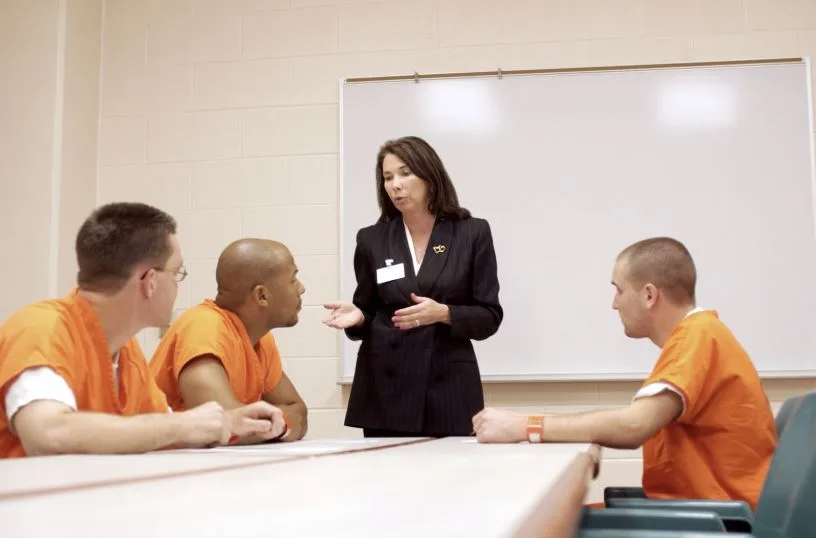
Illinois Work Release Centers: Perspectives of Prison Administration and Program Staff
By Ryan Maranville, Emilee Green, Jessica Reichert
January 28, 2025
Illinois’ prison work release centers, called Adult Transition Centers (ATCs), connect incarcerated people to vocational opportunities to support successful community reentry. As part of a larger process and outcome evaluation of Illinois ATCs, we conducted 16 interviews with Illinois Department of Corrections administrators and ATC program staff to understand their perceptions about ATC operations and purpose as well as their perspectives on ATC effectiveness, strengths, and weaknesses. Participants noted that ATCs offer individualized behavioral health treatment, build educational and vocational skills, and provide promising employment prospects upon release. Interviewees believed they fostered positive relationships with work release participants, contributing to their success. However, interviewees believed the effectiveness of work release programs may be reduced when participation is relatively short and community-based social support services are insufficient. Relevant research and some considerations of our findings are discussed.
-

Illinois Juvenile Justice System Data Trends Pre- and Post-COVID-19
By Sharyn Adams, Jessica Reichert, Eva Ott Hill, Arnoldo Ayala
January 24, 2025
This article provides a snapshot of juvenile trends from 2018 to 2022. It is meant to be a brief overview of youth statistics in the juvenile justice system. In the United States, in the past decade, the number of youths in the juvenile justice system has been declining. COVID-19 precautions have also contributed to the decline. They kept fewer youths from entering the system and allowed more to be released from juvenile justice supervision. We examined juvenile justice trends over the five years between 2018 and 2022. We analyzed arrest, detention, youths continued under supervision, informal probation, and corrections in Illinois. We found that the number of youths in the Illinois juvenile justice system decreased from 2018 to 2022, even though more youths were arrested in 2022 than in 2018. Illinois juvenile arrests in 2022 were higher than pre-pandemic levels, with more significant increases in Cook County and for Black youths. Another notable increase from 2018 to 2022 was the number of youths transferred to adult court.
-
Lewd Sexual Display in a Penal Institution: 2024 Report
By Center for Justice Research and Evaluation
January 24, 2025
In 2024, the Illinois legislature created the offense of "lewd sexual display in a penal institution," 720 ILCS 5/11-9.2-1. A person who is incarcerated commits this offense when they knowingly expose their genitals to individuals for the purpose of harassment or intimidation. The first time a person is found guilty of this offense, it is a Class A misdemeanor, while every subsequent violation is considered a Class 4 felony. Individuals charged with this offense are eligible for an evaluation for a mental health court program. The new legislation also required the Illinois Criminal Justice Information Authority to compile information on any charges, referrals, and demographic information related to this offense from Illinois penal institutions and State's Attorney offices. This is the first annual report.
-

2024 Task Force on Missing and Murdered Chicago Women Annual Report
By Amanda L. Vasquez, Erinne Smith
January 14, 2025
The Task Force on Missing and Murdered Chicago Women Act created the task force, comprised of legislators, victim service providers, and criminal justice stakeholders to examine five priority areas outlined in the Act. These included: a) systemic causes of violence against Chicago women and girls; b) methods for tracking and collecting data on this violence; c) policies and institutions related to the investigation and prosecution of gender-based violence; d) measures to reduce violence against this population; and e) measures to help impacted individuals heal. This annual report provides eight recommendations for improving policies and practices aimed at reducing gender-based violence, increasing safety, and promoting healing for victims and communities affected by violence against Chicago women and girls. Recommendations included increasing legislative support and funding for missing persons investigations, amending missing persons reporting requirements, and allocating funding for gender-based violence services. By maintaining a focus on missing and murdered women and girls, the task force aims to raise awareness and drive systemic change that will benefit victims, their families, and the broader community.
-
2024 Domestic Violence Pretrial Practices Working Group Final Report: Recommendations for Improving Court Procedures
By Illinois Domestic Violence Pretrial Practice Working Group Members
November 15, 2024
The Illinois Safety, Accountability, Fairness, and Equity-Today Act (SAFE-T Act) established the Domestic Violence Pretrial Practices Working Group, a group comprised of diverse Illinois criminal justice and victim service stakeholders. Their final report makes eight recommendations for evidence-based improvements to court procedures. Recommendations included strengthening the collection of risk and lethality assessment indicators by law enforcement responding to domestic violence calls and increasing criminal justice stakeholders’ utilization of these indicators in their pretrial decision-making. Other recommendations emphasized the crucial role that domestic violence victims should have in shaping information gathering practices and the value of expanding promising local and regional domestic violence-related initiatives. Implementation of this working group’s recommendations has the potential to improve not only domestic violence pretrial practice court procedures but also to increase domestic violence victims’ safety.
-

Evaluation of Youth Mental Health First Aid Trainings for Illinois Schools, 2022-2023
By Jessica Reichert, Sharyn Adams, Emilee Green
October 15, 2024
Many students struggle with mental health issues. Training on mental health is one way for schools to equip personnel with the tools needed to help and support students. We evaluated Youth Mental Health First Aid training offered to Illinois K-12 public school personnel, including school administrators, teachers, nurses, and other support staff. The training taught participants about mental health and ways to support students. We conducted field observations of two trainings and administered pre- and post-tests to evaluate the program. Ninety-one training participants responded to a pre-test before the training, and 48 completed both a pre- and post-test. Our evaluation found that participants gained mental health knowledge from training and reported increases in responsiveness and preparedness to help youth with mental health concerns.
-

Illinois Edward Byrne Memorial Justice Research Grant Strategic Plan 2024-2029
By Tracy Hahn, Jessica Reichert, Karl Gruschow, Ryan Maranville, Rebecca Roberson, Arnoldo Ayala, Pedro Huet, Emilee Green, Caleb Schaffner, H. Douglas Otto, Idetta Phillips, Shaddi Zeid
August 8, 2024
The Illinois Edward Byrne Memorial Justice Assistance Grant (JAG) Strategic Plan for 2024-2029 outlines a comprehensive framework to enhance criminal justice practices in Illinois. The plan emphasizes evidence-based strategies to address key issues within the justice system. The strategic plan was developed with input from a diverse group of stakeholders, including law enforcement, judiciary, public health, and community organizations. Key priorities in the plan include addressing mental health and substance use disorders among justice-involved individuals; reducing violent and firearm-related crimes; and supporting victims and witnesses of crime. Additionally, the plan aims to improve criminal justice planning, data analysis, and the integration of technology to enhance data capture and sharing. The plan also emphasizes the importance of supporting public defense services and addressing housing needs for those involved with the justice system. The strategic planning process involved analyzing crime data, reviewing past funding allocations, and incorporating stakeholder feedback through surveys and listening sessions. The plan will guide the allocation of JAG funds to effectively support state and local initiatives to improve justice outcomes, advance system reforms, promote racial equity, and support underserved communities in Illinois.
-

Evaluation of the Development of Choices, a Multijurisdictional Police-Led Deflection Program in Southwestern Illinois
By Nancy Sullivan, Sharyn Adams, Eva Ott Hill, Jessica Reichert
July 26, 2024
A significant amount of police engagement involves persons with multiple service needs, such as substance use treatment or mental health services. Deflection allows officers and first responders the discretion to refer individuals to service providers without making an arrest. This evaluation examined the action planning process for a multijurisdictional police-led deflection program called Choices in rural Southwestern Illinois. Using field observations, document analysis, and participant surveys, researchers examined the collaborative process of developing an action plan for program implementation. We focused on participant engagement, the content of the action plan, the extent of collaboration, and areas for improvement. Key findings highlight the challenges of implementing deflection programs in rural areas, including limited treatment resources and transportation barriers. The action planning process successfully engaged diverse stakeholders and produced a comprehensive plan addressing program goals, tasks, responsibilities, and performance measures. Participant feedback indicated high levels of collaboration, though some areas for enhancement were identified. This evaluation contributes to the limited empirical research on police-led deflection programs and provides insights to guide future implementation efforts in rural communities.
-

Illinois Firearm Prohibitors and Records Improvement Task Force 2024 Report
By Emilee Green, Timothy Lavery
July 3, 2024
The Illinois Criminal Justice Information Act, 20 ILCS 3930/7.9, created the Firearm Prohibitors and Records Improvement Task Force. The Task Force is charged with identifying, reviewing, and addressing gaps in firearm prohibitor reporting. An annual report is to be submitted to the Illinois General Assembly until 2027.
-

Illinois Crime Reduction Task Force Report: A Report to the Illinois Governor and General Assembly
By Illinois Crime Reduction Task Force
June 5, 2024
To develop and propose policies and procedures aimed at reducing crime in the State of Illinois, the Crime Reduction Task Force Act established the Crime Reduction Task Force (20 ILCS 3926/1-5). The Task Force was active from October 2022 through June 2024. The Task Force adopted recommendations addressing a wide range of areas related to crime reduction, from domestic violence to poverty and youth development.
-

Violence Interrupters: A Review of the Literature
By KYLE HUCKE
May 28, 2024
The street-level violence prevention field includes a range of professionals fulfilling specific roles in various programs. This literature review focuses on violence interrupters as a specific type of outreach worker and the programs that utilize them. Violence interrupters embed themselves within specific areas of communities experiencing elevated levels of violence and mediate emerging conflicts between groups and/or individuals to interrupt the cycle of violence. This review describes the theoretical frameworks guiding the design of these programs, the role of violence interrupters, and program implementations. It also summarizes results from the research literature that evaluates these programs. The literature suggests that violence interrupters are successful at reaching the target population. The research on the effects of these programs on community violence shows that most experience initial success followed by challenges maintaining that success. Program instability from funding and employee turnover likely reduce the effectiveness of VI programs. The dangerous and stressful nature of the work and the relatively poor level of monetary compensation drives the high turnover of VIs. The high social and economic cost of violence suggests that VI programs “pay for themselves” by preventing violence. Overall, evidence suggests violence interrupters are a valuable part of the violence prevention field, but researchers, practitioners, and policy makers need to be aware of violence interrupters’ strengths, limitations, and the supports needed for them to work effectively.
-

Criminal History Record Checks for Federally Assisted Housing Applications: 2023 Report
By Ryan Maranville, Jessica Reichert
March 27, 2024
The Housing Authorities Act (310 ILCS 10/8.10a) requires all Illinois public housing authorities to collect and report annually to the Illinois Criminal Justice Information Authority (ICJIA). Housing authorities are to report on applications for federally assisted housing, applicants with criminal records, denials based on criminal records, and hearings requested by those denied housing based on criminal records. This 2023 report for provides information shared by the housing authorities to ICJIA in fulfillment of the Act.
-

InfoNet: State Fiscal Year 2023 Highlights
By Lucia F. Gonzalez, MA, Jennifer Hiselman
February 29, 2024
ICJIA researchers created an InfoNet system infographic for State Fiscal Year 2023 that summarizes client data, data and technical assistance requests, system upgrades, and research using InfoNet data.
-

2023 Illinois Death in Custody Annual Report
By Karl Gruschow, Ph.D., H. Douglas Otto, M.A.
February 16, 2024
The Illinois Criminal Justice Information Authority is required by both Illinois state legislation (730 ILCS 210/3-5) and federal legislation (34 U.S.C. § 60105) to collect, report, and publish specific data on deaths that occur among individuals in the custody of Illinois local and state law enforcement agencies or as a result of an officer’s use of force. This report summarizes the relevant trends related to Illinois in-custody deaths through the 2023 calendar year.
-

Evaluation of the Development of Little Egypt Alternative Pathways (LEAP), a Multijurisdictional Police-Led Deflection Program in Three Southern Illinois Counties
By Alex Menninger, Sharyn Adams, Jessica Reichert
February 1, 2024
Millions of individuals and families are affected by substance use disorders and overdose in the United States. Deflection programs provide an opportunity for law enforcement to connect individuals with substance use challenges to appropriate treatment and services to improve health and public safety outcomes. We evaluated the efforts of community agencies and law enforcement in Jackson, Johnson, and Williamson counties to develop the Little Egypt Alternative Pathways (LEAP) deflection program. We conducted an evaluation using field observations and surveys. Based on our findings, we recommended addressing participant attendance and engagement; clarifying stakeholder roles and responsibilities; and ensuring program outcomes are measurable and achievable.
-

Police Use of Discretion in Encounters with People with Opioid Use Disorder: A Study of Illinois Police Officers
By Brandon del Pozo, Jessica Reichert, Kaitlin Martins, Bruce Taylor
November 8, 2023
Police frequently encounter people with opioid use disorder (OUD), having a profound effect on their risk environment and health outcomes. Officers retain significant discretionary authority in their response to these encounters. To explore the factors that underlie these decisions, we surveyed a sample of Illinois police officers. We administered an online survey to Illinois police departments using a random sampling strategy, stratified by agency size and the rurality of their service areas. Our final sample was 248 police officers from 27 departments. We surveyed officers’ beliefs about 1) influences and control over their decision making; 2) the approval of other actors in making referrals to treatment for addiction, and 3) the potential impacts of medication-assisted treatment (MAT). We analyzed the survey data using descriptive statistics and regression analyses. Most officers were highly influenced by the expectations of their supervisors when responding to subjects who appeared to have an OUD, and about half would take direction from addiction treatment providers. Police in urban departments perceived greater support for MAT and were more likely to believe MAT could reduce the need for future arrests. Our findings suggest ways police officers can be influenced to make discretionary decisions that improve the health outcomes of their encounters with people with OUD: 1) Supervisors should serve as champions to promote referrals to treatment for substance use disorders; 2) Collaboration between law enforcement and community addiction treatment providers should be strengthened, and 3) MAT should be supported and expanded in rural areas.
-

A Study of Housing Options for Probationers with Substance Use Disorders
By Jessica Reichert, Eli Zerof, Eva Ott Hill, H. Douglas Otto, Caroline McCabe, Lindsay Bouchard, Emilee Green, Jordan Boulger
October 23, 2023
There are over 3 million persons on probation in this country and many struggle with both maintaining recovery from substance use disorders and obtaining secure housing. However, stable housing for those on probation in recovery can potentially reduce relapse and recidivism. We examined recovery housing needs from the perspectives of probation supervisors and clients of Cook County Adult Probation. We administered surveys to probation supervisors and interviewed three clients in recovery as case studies. We learned probation supervisors are in need of further housing training and resources to aid clients in recovery. Clients reported unemployment and a lack of assistance in obtaining affordable housing. We recommend probation departments improve collaboration with housing service providers; obtain training on housing; and utilize recovery housing resources to better serve their clients.
-
SEED: A Diversion Program for Young Adults, An Alternative to Incarceration
By Anita Thomas, Emilee Green, Callie Kaplan, Jessica Reichert
October 18, 2023
Diversion programs have emerged as an alternative to the traditional criminal justice system, particularly for non-violent offenses. The Supporting Education and Employment Development (SEED) program is a 13-month pre-plea deferred-prosecution program, which aims to serve emerging adults, aged 18-26, charged with Delivery or Intent to Deliver in Cook County, Illinois. Heartland Alliance's Social IMPACT Research Center worked with the SEED team to evaluate the implementation of the SEED program between May 2021 and June 2023. Overall, results of this evaluation show that despite some operational challenges, SEED was implemented smoothly. However, interviewees did indicate there were opportunities for program refinement and additional evaluation. Longer term evaluation of SEED and its effects on both participants and the criminal justice system will take time and requires tracking participants beyond the immediate end of the program.
-

Police Knowledge, Attitudes, and Beliefs about Opioid Addiction Treatment and Harm Reduction: A Survey of Illinois Officers
By Jessica Reichert, MS, Kaitlin F. Martins, BS, Bruce Taylor, PhD, MA, Brandon del Pozo, PhD, MPA, MA
September 22, 2023
Police encounter individuals with opioid use disorder (OUD) during their routine work and are often called to the scene of overdoses. Despite this frequency, officer knowledge and attitudes about addiction, treatment, and harm reduction vary. Views held by officers, and the extent of their knowledge, can impact the decisions they make regarding people with OUD, yet our understanding of these factors is limited. Using stratified random sampling, we surveyed 248 officers from 27 Illinois police departments on their knowledge of addiction and the means to address it. We performed descriptive and regression analyses to examine differences based on officer characteristics. We found a high proportion of officers lacked knowledge of addiction, treatment, and harm reduction. Our findings suggest the need for police training to improve understanding of addiction. Community collaboration and coordination of resources may give officers the tools to better address OUD, reduce harm, and decrease overdose.
-

Firearm Prohibitors and Records Improvement Task Force 2023 Report
By Emilee Green, Timothy Lavery
September 13, 2023
Per 20 ILCS 3930/7.9, the Illinois Criminal Justice Information Authority is required to convene the Firearm Prohibitors and Records Improvement Task Force to identify gaps in firearm prohibitor data collection and reporting. A firearm prohibitor is any factor that prevents a person from the possession or transfer of a firearm or firearm ammunition. This Task Force is to produce an annual report through 2027.
-

Employment of Individuals After Release from Illinois Prisons: Employee Characteristics, Occupations, and Wages
By Jessica Reichert, Ryan Maranville, Eva Ott Hill
September 1, 2023
Employment is an important factor in successful community reintegration after prison release and is associated with lower rates of recidivism. To examine employment following release from Illinois prisons, we matched state prison records to state employment data. Our sample was made up of 4,430 persons who exited prison in 2018 and we tracked their employment through 2021. We found after release from prison, those in our sample had an unemployment rate of 46%. The average income was lower than the federal poverty level and hourly wages were lower than the state minimum wage. We found a higher proportion of Black persons than persons of other races were unemployed and had lower wages after release. Women in our sample were slightly more likely to be employed, but earned less, than men. We found participants in IDOC Kewanee Life Skills Re-Entry Center and Illinois work release centers were more likely to have longer employment and higher wages post-release. Therefore, the state, as well as local communities, should invest in vocational and educational programming, as well as reentry support, for those leaving prison to improve employment outcomes.
-

2022 Victim Service Planning Research Report
By Amanda L. Vasquez, MA, Lucia F. Gonzalez, MA, Stephanie L. Nguyen, MS, Caleb Schaffner, PHD, Erinne Smith, MA, Jennifer Hiselman, Shataun Hailey, Ronnie Reichgelt
August 22, 2023
The Illinois Criminal Justice Information Authority (ICJIA) convened the Victim Services Planning Committee (VSPC) in early 2022 to recommend victim service priority funding areas. ICJIA researchers utilized various research methods, such as secondary data analysis, a survey, and focus groups, to better understand Illinois victim service needs and gaps and presented findings to the VSPC. Both VSPC and ICJIA Board members voted to approve 12 research-informed victim service priority funding areas. Broadly, the priority areas aspire to increase victim service awareness and access; address victims’ needs; support victim-centered and -informed services; and promote service implementation, outcomes, and sustainability. These priorities will inform future grantmaking to address victim service needs and gaps in Illinois for the next several years.
-

Gender Differences in Intimate Partner Violence Service Use
By Caleb Schaffner, PhD, Amanda L. Vasquez, MA, Anne Kirkner, PhD
August 15, 2023
Although males experience intimate partner violence (IPV) at a rate only slightly lower than females, they are much less likely to receive formal victim services. We examined differences in males and females who received services for IPV victimization. Using InfoNet data web-based case management system used by domestic violence and sexual assault victims service providers in Illinois—we compared non-fatal male and female IPV victim demographics collected between 2015 and 2019. We analyzed their characteristics, IPV victimization type, and service receipt. We found that the racial/ethnic representation among male IPV victims was more proportionate to their representation among Illinois residents than that of female IPV victims. Females more often reported having a disability or limited English proficiency, both barriers to accessing services, in addition experiencing abuse that presented an increased risk of escalating to homicide. Female victims received three times the number of service contacts that males did and were more likely to need and receive counseling, housing services, and shelter. Findings suggest male IPV victims needed legal services more often than female IPV victims; they were more often referred to a victim service provider by a legal source, to receive civil legal advocacy, and to have filed for an order of protection.
-

Differences in Recidivism Outcomes of Illinois Prison Work Release Centers by Participant Characteristics
By Jessica Reichert, Ryan Maranville, Eva Ott Hill
August 1, 2023
Persons reentering the community after prison face many obstacles that have been shown to reduce recidivism, such as securing employment. Like many states, Illinois operates work release centers allowing prisoners nearing the end of their sentence to work in the community and stay in the correctional facility when not working. Although the research is limited, these programs have been shown to be successful at increasing post-release employment, increasing hours worked, and reducing recidivism. We described characteristics of 1,580 participants in Illinois’ four Adult Transition Centers (ATCs) and examined differences in characteristics associated with rearrest and reincarceration. We found age, gender, and ATC facility were associated with rearrest and reincarceration. We found, as well, that recidivism risk, offense type, prior arrests, prior incarcerations, and length of stay were associated with rearrest. We recommend consistently measuring risk and tailoring services to the needs of the participant population.
-

Criminal History Records Checks For Federally Assisted Housing Applications: State Fiscal Year 2023 Supplemental Report
By Ryan Maranville, Jessica Reichert, Eva Ott Hill, Emilee Green
July 20, 2023
The Housing Authorities Act (310 ILCS 10/8.10a) requires all Illinois public housing authorities to collect and report annually to the Illinois Criminal Justice Information Authority (ICJIA). Housing authorities are to report on applications for federally assisted housing, applicants with criminal records, denials based on criminal records, and hearings requested by those denied housing based on criminal records. This supplemental report for State Fiscal Year 2023 provides information shared by the housing authorities to ICJIA in fulfillment of the Act.
-

Lake County Illinois Deflection Program Evaluation Finds Reduced Overdoses and Property Arrests: Research Brief
By Jessica Reichert, Melissa Labriola, Samuel Peterson, Danielle Sobol
June 26, 2023
Due to the high number of Americans with substance use disorders and the opioid crisis, many law enforcement departments are rethinking how they address the needs of people with substance use issues. With police-based deflection programs, police officers make referrals to substance use disorder treatment and other services. The research team evaluated A Way Out, a Lake County Illinois deflection program, in which citizens can enter a police station and ask for help obtaining substance use disorder treatment without fear of arrest. Using a synthetic control method, we found Lake County had reduced fatal and non-fatal overdoses, including fatal opioid overdoses, and reduced property crime arrests compared to a control group of other Illinois counties. Study results showed support for police deflection and can contribute knowledge to the growing field of deflection.
-

2022 Safe From the Start Process Evaluation
By Stephanie L. Nguyen, MS, Lucia F. Gonzalez, MA, Amanda L. Vasquez, MA
June 23, 2023
ICJIA researchers conducted a process evaluation of the Safe From the Start (SFS) program, examining the program’s operation with a focus on its three core pillars of coalition building, direct services, and public awareness. Researchers analyzed data collected from clinicians and administrative staff across nine program sites via an online survey, four focus groups, and nine virtual site visits. Findings indicated that providers' key objectives for coalition building were to streamline family referrals, collaborate with partners on public awareness efforts, and educate partners on childhood exposure to violence. Sites coordinated quarterly coalition meetings and annual professional development trainings to increase collaboration among service agencies. Providers’ direct service activities involved making referrals, developing service plans, and providing therapeutic treatment. While providers used 17 different therapeutic treatment modalities across sites, all sites commonly utilized play therapy or Theraplay. Also, sites engaged in public awareness activities by offering presentations, workshops, and trainings at community events. They employed various strategies to reach underserved victims by mitigating language barriers and increasing access to services. While unique barriers and strengths were noted within each pillar, multiple sites encountered capacity, technology, and COVID-19 pandemic-related challenges that impacted all pillars. Recommendations for programmatic improvement and avenues for future research are discussed.
-

Police Stigma toward People with Opioid Use Disorder: A Study of Illinois Officers
By Jessica Reichert, MS, Brandon del Pozo, PhD, Bruce Taylor, PhD
June 21, 2023
Fatal opioid overdoses continue to break historical records. Stigma toward people with opioid use disorder (OUD) can negatively impact treatment access, retention, and recovery. Attitudes and beliefs of police officers can profoundly shape key discretionary decisions. Therefore, we examined police officer views indicating stigma toward those with OUD. We administered an online survey to select Illinois police departments using a stratified random sampling strategy with a final sample of 248 officers from 27 police departments. We asked officers questions measuring stigmatizing attitudes toward people with OUD including distrust, blame, shame, and fear. We found officers held somewhat stigmatizing views with a mean score of 4.0 on a scale of 1 (least stigmatic) to 6 (most stigmatic). Regression results showed certain officer characteristics were associated with more stigmatizing attitudes of blaming and distrust of those with OUD, including gender, education, race, years in policing, and department size. Since most officers in the sample held at least some stigmatizing views toward people with OUD, this may impede the feasibility and acceptability of criminal justice interventions meant to improve behavioral health, such as police deflection programs that link people who use drugs to treatment in lieu of arrest. Departments should offer officer training and education on substance use disorders, treatment for addiction, and the potential for a person’s recovery. Training should allow officers to hear directly from, or learn about, personal experiences of people who use drugs and have been in recovery, as this type of interaction has been shown to reduce stigma.
-

Victim Offender Overlap: Firearm Homicide Victims with and Without Criminal Records
By Jessica Reichert, MS, Maryann Mason, PhD
June 10, 2023
In the United States, firearm homicide is a major public health concern. Certain populations are at greater risk for being a victim of firearm homicide, such as those with prior criminal justice involvement. The overlap between violent victimization and offense history, referred to as the victim-offender overlap, is empirically supported, but research is limited on the overlap of firearm homicide victimization and justice involvement. Therefore, we examined the extent of victim-offender overlap of firearm homicide decedents by matching Illinois public health data with state arrest data. A total of 1,331 firearm homicide decedents were examined, including 20.4% (n = 271) with no arrest records and 79.7% (n = 1,060) with an arrest record, as well as 55.6% (n = 740) with a prior conviction and 31.8% (n = 423) with a prior incarceration. A higher proportion of firearm homicide victims with an arrest record were male, another race than White, non-Latinx, and single or never married than those without an arrest record. This study further supports the existence of the victim-offender overlap and highlights demographic disparities in criminal justice involvement among victims of fatal firearm violence.
-

Illinois Helping Everyone Access Linked Systems: Interim Report
By Erinne Smith, MA, Amanda L. Vasquez, MA
June 8, 2023
Illinois Helping Everyone Access Linked Systems (HEALS) is an Office for Victims or Crime-funded initiative seeking to improve systems’ response for children, youth, and families impacted by violence. Egyptian Health Department, located in Southern Illinois, was selected as the demonstration site for HEALS program implementation and evaluation. Researchers conducted a multi-method study to better understand program implementation. In the first 19 months of implementation (September 2019-March 2021), the site served 748 clients, trained more than 75 community members, and entered into nine memoranda of understanding with partner organizations. Additionally, findings revealed strong collaborative efforts and successful service connections; 60% of surveyed Advisory Council members reported that their community worked to solve problems through collaboration and resource coordinator knowledge of the region and relationships with community agencies facilitated clients’ connection to appropriate resources and services. The report concludes with recommendations and future research directions.
-

A Survey of Civil Legal Aid Service Providers in Illinois
By Alysson Gatens
June 2, 2023
While many civil legal issues are critical matters related to housing, health, and safety, the U.S. legal system does not guarantee access to civil legal assistance and representation. Civil legal aid organizations provide services to individuals who either cannot afford to pay for civil legal assistance or experience other barriers to access. This article summarizes the findings of a survey of civil legal aid service providers in Illinois regarding the operations of their organizations and challenges they face. Overall, respondents reported a great need for the services they provide and offered important context for barriers they experience in delivering those services.
-

Balancing Data Privacy with Access to Health Services and Research: Facilitating Confidential Information Sharing in U.S. Multi-System Collaborations
By Michele Worobiec, Kelly C. Firesheets, Jessica Reichert, Jirka Taylor
May 11, 2023
This article addresses data privacy issues as they relate to multi-system collaborations for pre-arrest deflection into treatment and services for those suffering from a substance use disorder. The authors explore how the United States’ data privacy regulations pose barriers to collaboration and care coordination, as well as how data privacy regulations affect researchers’ ability to evaluate the impact of interventions intentioned to facilitate access to care. Fortunately, this regulatory landscape is evolving to strike a balance between protecting health information and sharing it for research, evaluation, and operations, including comments on the newly proposed federal administrative rule that will shape the future of deflection and health access in the United States.
-

2022 Illinois Death in Custody Annual Report
By H. Douglas Otto, Timothy Lavery, Karl Gruschow
April 19, 2023
The Illinois Criminal Justice Information Authority is required by both Illinois state legislation (730 ILCS 210/) and federal legislation (34 U.S.C. § 60105) to collect, report, and publish specific data on deaths that occur among individuals in custody of Illinois local and state law enforcement agencies or as a result of an officer’s use of force. This report summarizes the relevant trends related to Illinois in-custody deaths through the 2022 calendar year.
-

2022 Victim Needs Assessment
By Rachel Garthe, PhD, Wan-Jung Hsieh, PhD, Mary-Elizabeth Guenther, BSW, Dora Watkins, MSW, Christine Kwon, Madisyn Welsh, BSW
April 19, 2023
Exposure to violence and crime can have a detrimental impact on society and individuals. This report examined the need, access, use, and barriers of victim-centered services among Illinois residents. With a focus on feelings of empowerment and help-seeking behaviors, we surveyed and interviewed diverse groups of Illinois residents who themselves, or their family members, have been victimized or exposed to violence and crime. A total of 1,114 Illinois residents completed an online survey; 17 survey participants from underrepresented groups participated in an in-depth interview. Participants indicated high levels of experiencing crime and victimization in their lifetime. Depending on the crime or experience, participants sought help from different sources, including the police or law enforcement, social services or community-based organizations, or from family or friends. The report concludes with recommendations; for example, services not only need to be more available and accessible, but the services need to be of better quality.
-

Evaluation of Youth Mental Health First Aid Training for Illinois Schools
By Jessica Reichert, Jacquelyn Gilbreath, Emilee Green, Brian Kuczynski, Morgan McGuirk
April 3, 2023
Nearly one in six U.S. children have been diagnosed with a mental disorder. Exacerbated by the COVID-19 pandemic, youth mental health has been declared a national emergency. Schools are at the forefront of youth interventions to promote positive mental health and address mental health concerns. One intervention model includes training school personnel on to identify and help students with mental health issues. ICJIA researchers evaluated Youth Mental Health First Aid training offered to school personnel across Illinois (n = 81) with observations and surveys, including pre- and post-tests. The evaluation revealed participants gained mental health knowledge and were satisfied with the training format and content. The training program appeared to meet its goal of teaching school personnel about mental health issues in young people and interventions to address them.
-

Criminal History Record Checks for Federally Assisted Housing Applications: Annual Report
By Ryan Maranville, Emilee Green, Jessica Reichert
March 23, 2023
Section 8.10a of the Housing Authorities Act requires all Illinois public housing programs to collect and report data to the Illinois Criminal Justice Information Authority (ICJIA) on an annual basis. Data include applications for federally assisted housing, criminal history records checks of applicants, criminal records assessment hearings, and denials for federally assisted housing overturned after a criminal records assessment hearing (310 ILCS 10/8.10a). This is the annual report to the Illinois General Assembly.
-

2022 Domestic Violence Pretrial Practices Working Group Preliminary Report: Current Illinois Domestic Violence Pretrial Practices
By Illinois Domestic Violence Pretrial Practices Working Group
March 15, 2023
The Illinois Safety, Accountability, Fairness, and Equity-Today Act (SAFE-T Act) was signed into law on January 22, 2021, by Illinois Governor JB Pritzker. The SAFE-T Act established the Domestic Violence Pretrial Practices Working Group to inform the state’s understanding of current domestic violence pretrial practices and to make recommendations for evidence-based improvements to court procedures. The present report reflects the working group’s assessment of current domestic violence pretrial practices as of November 30, 2022. Their assessment revealed strengths and opportunities for improvement in four areas: criminal justice system responses, use of risk and lethality assessments, education and training for criminal justice professionals, and pretrial data collection for domestic violence and related offenses. The working group will continue to convene to identify recommendations to mitigate the potential for negative domestic violence-related pretrial reform outcomes and increase the safety of gender-based violence victims in Illinois.
-

A Multi-Site Evaluation of Law Enforcement Deflection in the United States
By Melissa Labriola, Samuel Peterson, Jirka Taylor, Danielle Sobol, Jessica Reichert, John Ross, Jac Charlier, Sophia Juarez
February 21, 2023
This report describes findings from a multi-site evaluation of law enforcement deflection. The authors describe how six programs were implemented and identify key program facilitators and barriers. The authors conducted outcome analyses of two programs which included the A Way Out Program in Lake County, Illinois.
-

Guiding Officers to Deflect Citizens to Treatment: An Examination of Police Department Policies in Illinois
By Jessica Reichert, Sharyn Adams, Jirka Taylor, Brandon del Pozo
February 9, 2023
The U.S. overdose crisis has motivated police departments to enact policies allowing officers to directly deflect individuals to substance use disorder treatment and other services shown to reduce recidivism and subsequent overdose risk, as well as refer people who voluntarily present at police facilities with a desire for treatment. As a new way of operating, and one that relies on an officer’s use of discretion for successful implementation, the practice benefits from guidance through written directives, training, and supervisory support. However, there is little information on the establishment, content, and execution of police department deflection policies, which hampers the implementation and dissemination of this promising practice. We analyzed 16 policies of Illinois police department deflection programs. Using content analysis methodology, we coded the policies for language and terminology, as well as program components and procedures. We aimed to examine how the policies were written, as well as the content intending to guide officers in their work. We found the policies and programs had notable differences in length, detail, terminology, and reading level. Only one policy mentioned the use of any type of addiction treatment medication, many used stigmatizing language (e.g., “abuse” and “addict”), and few mentioned “harm reduction” or training in the practice of deflection. Many policies restricted participation in deflection (i.e., no minors, outstanding warrants, current withdrawal symptoms), and critically, a majority of policies allowed police officers to exclude people from participation based on their own judgment. We recommend police departments consider the readability of their policies and reduce barriers to deflection program participation to engage a larger pool of citizens in need of substance use disorder treatment. Since there is limited research on police policies generally, and the field of deflection is relatively new, this study offers insight into the content of different department policies and more specifically, how officers are directed to operate deflection programs.
-

Evaluation of the Development of a Multijurisdictional Police-Based Deflection Program in Southern Illinois
By Sharyn Adams, Jessica Reichert, H. Douglas Otto, Julia Sanchez
February 3, 2023
Over 20 million Americans have substance use disorders and many are in need of treatment and other social services. Police often encounter persons with behavioral health needs and can deflect, or refer, individuals to service providers without making an arrest. This evaluation examined the action planning process of a police-based deflection program in seven counties located in southern Illinois. Action planning is a guided process to engage community stakeholders in the development of a program and establish goals and objectives. Overall, based on surveys, participants agreed the group succeeded in defining their local problems, collaborating as a group, but noted low community participation. We offered suggestions for future action planning and program development including increasing participation and engagement, as well as enhancing how goals are established.
-

Criminal History Record Checks for Federally Assisted Housing Applications: Progress Report
By Ryan Maranville, Jessica Reichert
January 31, 2023
Section 8.10a of the Housing Authorities Act requires all Illinois public housing programs to collect and report to the Illinois Criminal Justice Information Authority (ICJIA) data on an annual basis. Data include applications for federally assisted housing, criminal history records checks of applicants, criminal records assessment hearings, and denials for federally assisted housing overturned after a criminal records assessment hearing (310 ILCS 10/8.10a). This is a progress report to the Illinois General Assembly.
-

Restore, Reinvest, and Renew Program Grantmaking and Implementation: An Examination of a State Cannabis Tax-Funded Grant Program’s Inaugural Performance Period
By Lauren Weisner, Alysson Gatens
January 30, 2023
The Restore, Reinvest, and Renew (R3) program was created through the legalization of adult recreational cannabis use in Illinois. Program funds are used to reduce gun violence through intervention and prevention, improve re-entry and diversion services for people involved with the criminal justice system, provide access to legal representation and advice, encourage investment and economic growth, enhance youth development, and support programs that improve the social determinants of health. The current report details the R3 program implementation process (including grantmaking, grant review, and funding) during the program's inaugural period of performance, June 25, 2019 to January 31, 2022. During the first round of funding, the R3 program received over 400 applications and funded 80 community-based programs.
-

Evaluation of the TASC Deflection Academy: Training for Law Enforcement-Led Deflection Program Staff
By Jessica Reichert, H. Douglas Otto, Sharyn Adams
January 4, 2023
Law enforcement-led deflection programs redirect individuals with behavioral health or other needs to treatment and services. The field of deflection is still relatively new and practitioners are still developing best practices to train program staff and stakeholders. We evaluated the Treatment Alternatives for Safe Communities (TASC) Deflection Academy, a five-day training program on effective ways to offer deflection services in the community. The evaluation was designed to gather information on training activities and participants, measure knowledge gains, and solicit participant feedback. We conducted field observations and administered surveys, including a pre- and post-training test. The findings suggested participants found role-play activities to be helpful and that participants increased their deflection-related knowledge. We recommended partnering with local subject matter experts, providing additional training on domestic violence and client data privacy, and covering topics most germane to the programs and its clients.
-

Evaluation of the Development of a Multijurisdictional Police-Led Deflection Program to Assist Victims of Violent Crime
By Jessica Reichert, Sharyn Adams, H. Douglas Otto, Julia Sanchez
January 4, 2023
Over 1 million Americans are victims of violent crime each year and many need assistance. Police often encounter victims and can deflect, or refer, individuals to treatment and services and away from emergency department care, crisis services, and potential justice system involvement. This evaluation examined the virtual action planning process of a police-led deflection program in East St. Louis, Illinois. Action planning is a way to increase community engagement, as well as develop and plan ways to achieve program goals and objectives. We sought to examine the action planning process and document participation of law enforcement and community stakeholders. Participants discussed community issues, needs, collaboration, and resources, as well as program structure, design, and implementation which culminated in an action plan document. Overall, based on surveys, participants were pleased with, and supportive of, the action planning process and the program. We offered recommendations to increase engagement and understanding, expand participation, and create measurable objectives.
-

A Profile of Latinx Participants in Adult Redeploy Illinois
By Lynne Mock
December 1, 2022
There have been few research studies on Latinx people who are criminal justice-involved. The Adult Redeploy Illinois (ARI) Program adopted a racial equity lens to better study and address the needs of racial minorities in their funded diversion programs. These programs are important to justice-involved individuals with felony charges because the programs present an opportunity to be in community supervision which addresses their criminogenic needs rather than be incarcerated. We embarked on a study to describe the ARI Latinx participants who have completed the program, describe their experiences in the program, and compare their experiences and outcomes with White and Black ARI participants who have also completed the program. We found some differences in experiences and outcomes that could be considered racial disparities. Discussion of these differences with ARI leadership, including Oversight Board members, local ARI staff, was recommended, along with future studies which collect more information relevant to the Latinx experience in the U.S., and studies that include ARI vocational training and employment outcomes.
-

Predicting Diversion Program Outcomes Using Drug Testing Information
By Yanwen Wang, Jacquelyn Gilbreath, Lynne Mock
November 30, 2022
Due in part to drug crimes, many U.S. citizens are under correctional supervision. One aspect of correctional supervision is drug testing. The view among many is that sobriety is required to meet probation program requirements. Research on probation client outcomes related to the impact of drug testing is limited. This study sought to answer the following research questions. How is drug testing being practiced and observed in ARI in terms of its frequency, pass rates, and tested drugs? Does drug testing have a significant impact on ARI participant outcomes when controlling for demographic variables? Among the demographic variables, only age predicted program outcomes. Drug test positivity rates predicted revocation, as well as drug test frequency (number of times an individual was tested) and average number of days between the drug tests. This study focuses on drug test outcomes; however, it also would be worth exploring data on drug testing rewards, sanctions, and requirements for program completion and their impacts on program outcomes.
-

The Relationship Between Demographics, Region and Outcomes in Adult Redeploy Illinois Funded Programs
By Lynne Mock, Idetta Phillips
November 29, 2022
Across the United States in 2020, over 1 million individuals were incarcerated and over 3 million were on probation. Many jurisdictions developed diversion programs to create an alternative to mass incarceration of individuals with substance use and mental health disorders. The purpose of Adult Redeploy Illinois (ARI) is to divert individuals with prior criminal histories and an active felony case from prison. ARI program values include racial equity in access programming experiences, and program outcomes. For this study, we explored whether or not there was equity based on age, sex, race, and region in ARI program outcomes and post-ARI program prison recidivism outcomes. Binary logistic regression predictive models were used to determine which variables, if any, predicted ARI program and/or recidivism outcomes. For both models, age, region, program type, property offense, criminogenic risk, and years in program predicted whether or not an individual completed their ARI program or recidivated. Sex and race did not predict outcomes or recidivism, providing evidence that racial and gender equity in program and recidivism outcomes exist. Implications for working with younger-aged individuals and for addressing regional programming assets were described, and future studies about equitable access to ARI programs were discussed.
-

The Lived Experience of Support Staff Working with Homicide Survivors
By Jacquelyn Gilbreath, Emilee Green
October 31, 2022
Social service workers with lived experience can be valuable assets to those experiencing the loss of a loved one to homicide. Researchers examined interview data gathered from a Chicago homicide survivor service agency evaluation and found workers who had previously experienced the homicide of a loved one brought many benefits to helping clients. However, the data also showed providing services to this population put the workers at high risk for burnout and vicarious trauma.
-

The Effectiveness and Implications of Police Reform: A Review of the Literature
By Emilee Green, Brian Kuczynski, Morgan McGuirk, Jessica Reichert
October 27, 2022
Repeated and deadly encounters between law enforcement officers and Black Americans have given way to mounting calls for police reform. Reformers have proposed reallocating funds from policing to communities and social services, rethinking police use of force policies, and improving measures for officer accountability. This literature review briefly describes the impetus for police reform, reviews proposed police reforms, and examines available research on the effectiveness of police reforms. Overall, research indicates police agencies should not only focus on reducing crime, but also protecting and fostering the relationship between the public and police.
-

Illinois Higher Education in Prison Task Force 2022 Report
By Illinois Higher Education in Prison Task Force
October 20, 2022
The Illinois Higher Education in Prison Task Force was created by House Joint Resolution 27 in the 102nd General Assembly. The resolution recognized the need for policy and legislative supports to provide incarcerated people with safe and dignified learning environments and to ensure equitable expansion of educational opportunities throughout the state. The Task Force comprised 19 statutorily required members, including state agency representatives, legislators, students, and administrators with higher education in prison experience, subject matter experts, and individuals who had been incarcerated in Illinois. Task Force members represented a broad range of research, practice, and policy expertise in higher education and criminal justice. The Task Force crafted recommendations for the growth of quality higher education in prison programming in Illinois.
-

Firearm Prohibitors and Records Improvement Task Force 2022 Report
By Emilee Green, Jessica Reichert
October 4, 2022
Firearms prohibitors are factors which prohibit a person from transferring or possessing a firearm or firearm ammunition as outlined in the Firearm Owners Identification Card Act. The Firearm Prohibitors and Records Improvement Task Force is responsible for researching available funding opportunities for entities required to report firearms prohibitors. This includes, but is not limited to, hospitals, courts, law enforcement, and corrections. The Task Force is also to identify gaps in firearms prohibitors reporting and assess all forms of mandated firearm and gun violence data collection. This is the first of annual reports to the Illinois General Assembly.
-

Illegal Gun Carrying: Motives, Consequences, and Illinois Arrest Trends
By Jessica Reichert, Jacquelyn Gilbreath, Morgan McGuirk
August 24, 2022
Gun violence is a persistent and concerning issue across the country and the state of Illinois. In communities with high levels of gun violence, individuals may carry guns for protection. These individuals may never intend to, or actually, fire them; however, if arrested for possession, they may face a felony conviction. We summarized literature on why individuals illegally carry guns, how they obtain them, and the criminal legal ramifications they may face. In addition, we examined Illinois gun-related arrest data collected between 2012 and 2021. The findings revealed firearm possession arrests more than doubled during that period. In 2021, Black men in their 20s and arrested in Chicago with previous arrests on their records comprised the majority of the nearly 16,000 individuals arrested for a firearm-related offense. Community investment, diversionary criminal justice programming, and evidence-based, trauma-informed treatment may reduce crimes related to illegal gun carrying.
-

An Overview of Police Use of Force Policies and Research
By Emilee Green, Orleana Peneff
August 15, 2022
Local police are expected to use the least amount of force necessary against citizens, both in self-defense and in defense of others. Although relatively rare, many incidents of excessive, and even lethal, force used by police have been documented, particularly in situations involving people of color. Specifically, Black Americans are more likely to be killed during a police encounter than White Americans. The public has called for further investigation, data collection, and research on police use of force. This literature review provides an overview of theories on why police use of force occurs. Theories are based on officer characteristics, types of situations, organizational norms, and police policies and procedures. The review includes data and research on use of force including disparities in its use.
-

Alternative Sentencing for Drug Offenses: An Evaluation of the First Offender Call Unified for Success (FOCUS) Program
By Jessica Reichert, Sharyn Adams, M.S., Morgan McGuirk, Lauren Weisner
July 21, 2022
Court diversion programs for individuals convicted for drug crimes have been found to reduce recidivism and be cost effective. Some courts have established programs offering alternative sentencing and specialized programming for persons convicted of felony drug offenses. We conducted a process evaluation of a court diversion program for individuals charged with a first-time felony drug possession offense in DuPage County, Illinois called the First Offender Call Unified for Success (FOCUS) program. We examined the program’s development, operations, and participants, as well as collected feedback from the participants and probation and court staff involved in the program. We conducted interviews, administered surveys, and analyzed administrative data. As of April 2021, there were 231 active participants; a majority of participants were White males with a Class 4 felony drug possession charge. Thirty-nine participants had successfully completed the two-year program and three were unsuccessful. Overall, participants and clients provided positive feedback on the program. Based on our findings, we offered several recommendations to improve program operations.
-
A Short-Term Analysis of Domestic Violence and Sexual Assault Victim Services Following the Illinois COVID-19 Stay-at-Home Order
By Caleb Schaffner, PHD, Amanda L. Vasquez, MA, Anne Kirkner, PHD
July 12, 2022
With the implementation of stay-at-home orders to slow COVID-19 transmission, researchers and victim service providers raised concerns about an increase in the amount and severity of domestic violence (DV) incidents. Using InfoNet—an online database used by Illinois domestic violence (DV) and sexual assault (SA) service providers—researchers explored data collected on victim services client volume, service needs, and offense characteristics over the first three months of the pandemic in 2020 compared to data collected during the same periods in 2018 and 2019. Findings revealed large increases in telephone counseling, a precipitous drop in in-person counseling, and a change from on-site to off-site DV victim shelter use. This report also highlights several notable changes in offense characteristics, referral sources, and service provision and concludes with future research directions.
-

A Multi-Site Evaluation of Illinois Police Department-Based Victim Assistance Programs
By Jessica Shaw, Nicole Allen, Caroline Bailey, Hope Holland, Theodore Cross, Tracy Hahn
June 28, 2022
Communities across the country are calling for a re-examination of how the police interface with citizens. Research and evaluation can help inform these conversations by examining existing innovative models within police departments that impact interactions between the police and the public. The Illinois Criminal Justice Information Authority funded the University of Illinois at Urbana-Champaign and the University of Illinois at Chicago to conduct an evaluability assessment of one such model, police department-based victim assistance programs. Evaluators assessed four Illinois sites to examine program operations, service provision, and program benefits. The evaluation found increased victim access to, and awareness of, their rights and service options were related to improved victim outcomes. In addition, the programs increased police understanding of trauma and victim behavior, as well as awareness of, and access to, victim-relevant resources. Recommendations for program improvement are provided.
-
Parole and Mandatory Supervised Release in Illinois
By Karl Gruschow, Ph.D.
June 2, 2022
The number of people under mandatory supervised release (MSR), commonly referred to as parole, in Illinois has fallen dramatically in the past two years, reaching a 30-year low in June 2021. The SAFE-T Act of 2021 may further reduce the MSR population in coming years. In light of the changing landscape of supervision in Illinois, this article reviews the state’s history of parole and mandatory supervised release, including parole/MSR population trends, key legislation, and administrative policies that have impacted correctional practices.
-

2020-2021 Illinois Traffic and Pedestrian Stop Data Use and Collection Task Force Findings
By Emilee Green, Timothy Lavery
June 2, 2022
Racial profiling in traffic and pedestrian stops is a major concern for the public and advocacy groups. In order to better understand stops and searches occurring in Illinois, the Illinois legislature passed the Illinois Traffic and Pedestrian Stop Statistical Study Act requiring police officers to record demographic and stop data for those pulled over. In addition, the Illinois Criminal Justice Information Authority was named to convene a Task Force to review the methods for compiling and analyzing this data. This article provides a brief summary of suggestions to enhance how traffic and pedestrian stop data are used in the state. An attached full report provides more detail on the 19 total recommendations developed by the Task Force. Although it is recognized that the needs of communities and law enforcement may ultimately differ, improving the quality of criminal justice data is a first step in restoring trust in law enforcement.